I’ll be honest. The first time I saw Turkish Eggs on a menu, I hesitated. Yogurt and eggs together didn’t sound like something my family would be excited about. But curiosity won, and I ordered it anyway. One bite in and I immediately understood why people don’t stop talking about this dish.
When I started making Turkish Eggs at home, the reaction was exactly what I expected. Lots of raised eyebrows, a few “are you sure about this?”, and my kids staring at the yogurt like it didn’t belong anywhere near breakfast. Five minutes later, everyone was fighting over the last piece of bread to scoop up the sauce. That’s usually how I know a recipe is staying.

- What Are Turkish Eggs
- Why This Recipe Works
- Ingredients
- Additions
- Greek Yogurt vs Other Yogurts for Turkish Eggs
- How to Make Turkish Poached Eggs
- FAQs
- Turkish Eggs (Cilbir) Recipe
This Turkish Eggs recipe is now one of those breakfasts I make when I want something different but still simple. It’s not complicated, but it does require paying attention. Soft eggs, garlicky yogurt, butter that’s hot enough to bloom the spices. When everything comes together, it just WORKS.
If you’ve never tried Cilbir before, this is the version to start with.
What Are Turkish Eggs
Turkish Eggs, also known as Cilbir , are a traditional Turkish breakfast made with poached eggs served over garlic yogurt and finished with melted butter and spices. That’s it. No long ingredient list, no complicated steps, but every element matters.
This is not a dish where you rush. The yogurt needs to be seasoned properly, the eggs need to be just set, and the butter needs to be hot enough to carry flavor without burning. When people ask what makes Turkish eggs different from other egg dishes, the answer is contrast. Trust me, once you taste them, there’s no going back.
A lot of people search for a Turkish eggs recipe expecting something heavy or overwhelming. It’s not. It’s balanced, satisfying, and surprisingly comforting once you taste it. Yogurt and eggs might sound unusual at first, but once you try them together, it makes perfect sense.
If you’re new to Cilbir, don’t overthink it. This dish has been around for centuries for a reason.
Why This Recipe Works
This recipe works because it treats Turkish Eggs the same way I approach breakfasts that need to feel satisfying without being heavy. It’s the same mindset behind dishes like my Scrambled Eggs in Avocado . Simple ingredients, good timing, and letting each component do what it’s supposed to do.
The yogurt is the foundation of this dish . It needs to be seasoned properly and brought to room temperature before serving. Cold yogurt straight from the fridge is one of the most common mistakes with Cilbir. Letting it sit for a few minutes makes the texture smoother and the flavor more balanced, instead of sharp and flat.
The eggs are handled gently. I’ve tested faster methods and shortcuts, but they almost always lead to broken whites or overcooked yolks. Taking a little extra care here gives you eggs that sit neatly on the yogurt and stay soft when you cut into them.
And then there’s the butter. This step is small but critical. The butter needs to be hot enough to bloom the spices and release their flavor, but not so hot that it burns . When done right, it brings everything together without taking over the dish.
This Turkish Eggs recipe works because it’s realistic and repeatable. Nothing here is complicated, but every step matters. Once you understand the flow, it becomes one of those breakfasts you can make confidently and come back to often.
Ingredients
This is one of those recipes where a few ingredients do all the heavy lifting. If each one is treated properly, you don’t need anything else.

- Poached eggs are the heart of Turkish Eggs. They need to be fresh and cooked gently so the whites are set and the yolks stay soft. Timing matters more than technique here.
- Full Fat Greek Yogurt . This is non-negotiable. Full-fat Greek yogurt gives Cilbir its signature base. It needs to be thick, creamy, and brought to room temperature before serving. Low-fat or regular yogurt simply doesn’t behave the same way once the hot eggs hit it. This is similar to how creaminess matters in dishes like my Creamy Turkey & Spinach Cannelloni . The base has to hold everything together.
- Unsalted Butter . Butter finishes the dish. It’s melted until hot and used to bloom the spices, which adds depth without overpowering the eggs or yogurt. This step reminds me a lot of how fat carries flavor in savory recipes like my Creamy Tuscan Chicken Thighs . It’s simple, but skipping it changes the whole dish.
- Garlic is mixed directly into the yogurt and sets the tone for the entire plate. It should be fresh and finely grated so it blends smoothly without harsh bites. A little goes a long way, but without it, the yogurt falls flat.
Note: Please see Recipe Card at the bottom for full list of ingredients and measurements.
Additions
Once you understand the base of Turkish Eggs, there’s room to make small adjustments without changing what the dish is meant to be.
Spice presence, not heat Turkish Eggs are traditionally finished with butter infused with paprika or mild chili flakes. This adds warmth and color, not spice . When I’m serving this for breakfast or for kids, I keep the spice very subtle or use sweet paprika only. The flavor stays true, just gentler.
Fresh herbs at the end Parsley or dill can be added just before serving. This doesn’t change the structure of the dish, but adds freshness and contrast . I do this often when I want a lighter finish, especially if the eggs are part of a larger brunch spread.
Serving variations The eggs, yogurt, and butter stay the same, but the presentation can change. Sometimes I serve everything in one wide bowl for dipping, other times I plate individually. This works well when Turkish Eggs are served alongside other brunch dishes, like my French Toast Casserole , where contrast is a good thing.
Bread options Crusty bread is ideal, but flatbread or toasted sourdough also work. The important part is choosing something sturdy enough to scoop the yogurt and eggs without falling apart.
Greek Yogurt vs Other Yogurts for Turkish Eggs
This is one of the first questions people ask when making Turkish Eggs for the first time, and it matters more than it seems. Not all yogurts behave the same once you add hot eggs and melted butter on top.
Greek yogurt is the best option for Cilbir, and here’s why. It’s thick, high in protein, and stable . When the eggs sit on top, it holds its shape instead of turning watery. You get a creamy base that stays put and supports the dish instead of disappearing underneath it.
I’ve tested regular yogurt more than once, usually when that’s all I had in the fridge. Every single time, it thinned out too quickly. Once the hot eggs hit the surface, the yogurt loosened and created a pool instead of a base. The flavor was fine, but the texture just wasn’t right .
Low fat or non fat Greek yogurt has a similar problem. It looks thick at first, but once warmed, it loses structure and tastes sharp instead of balanced. Full-fat Greek yogurt is the one that works consistently. It gives you creaminess without needing extra oil or adjustments.
If you want consistent results, look for a plain, full-fat Greek yogurt with no added flavors. I always use a simple one with a clean ingredient list and a thick texture straight out of the container.
Another detail that makes a difference is how the yogurt is mixed. Stirring it gently with a spoon or whisk before serving smooths it out without thinning it. Over mixing can loosen it too much, especially if it’s already warm.
If you like your yogurt extra thick, you can strain it slightly before serving. A fine mesh strainer or yogurt strainer helps remove excess liquid without changing the flavor. This is something I do occasionally when serving guests and want the presentation to be extra clean.
So if you’re wondering whether you can swap Greek yogurt for something else, the answer is yes, but you’ll feel the difference immediately. For Turkish Eggs that hold together, taste balanced, and look the way they should, Greek yogurt is the one ingredient you don’t want to compromise on.
How to Make Turkish Poached Eggs
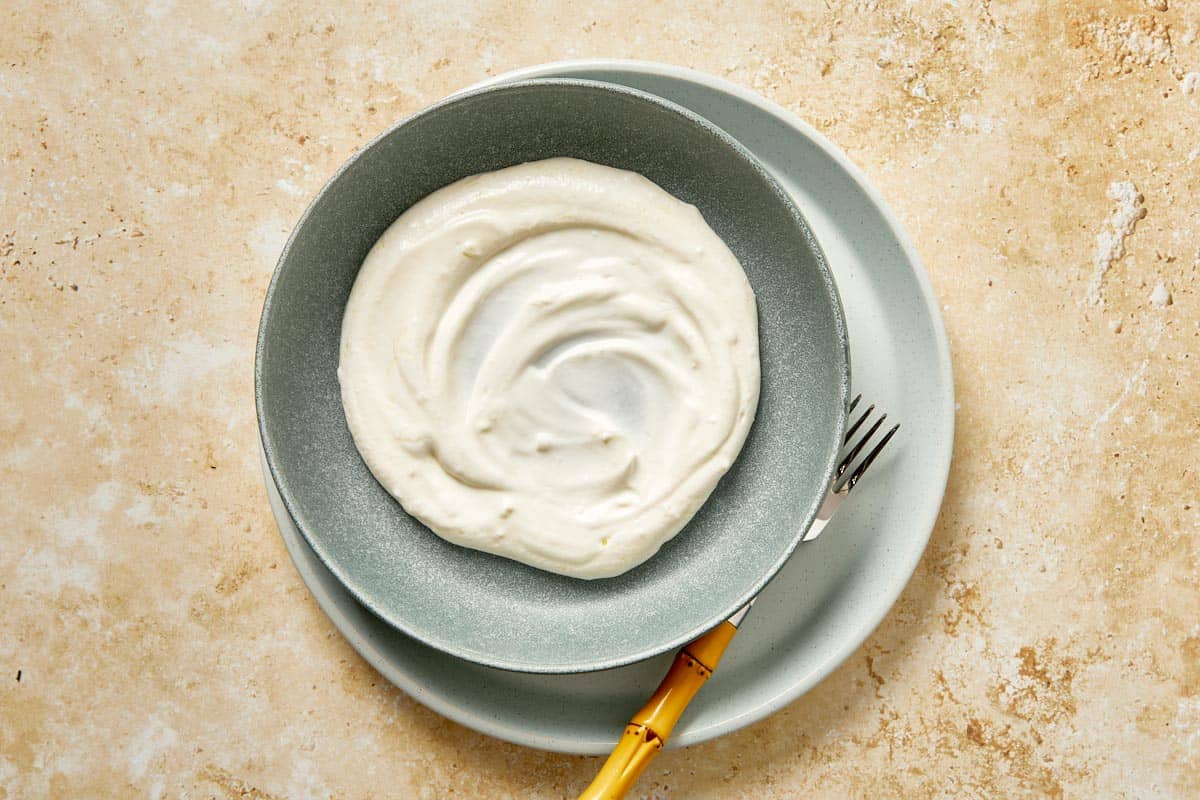
- Mix the Yogurt . In a small bowl, stir together the yogurt, finely crushed garlic, and a drizzle of olive oil. Season with a tiny pinch of salt if you’d like. Set aside, this is your creamy base.

- Make the Chili Butter . Melt the butter in a small pan over low heat. Once melted, add paprika and chili flakes. Let it sizzle gently until it turns golden and fragrant. Don’t let it burn. Just a warm, toasty swirl of flavor.
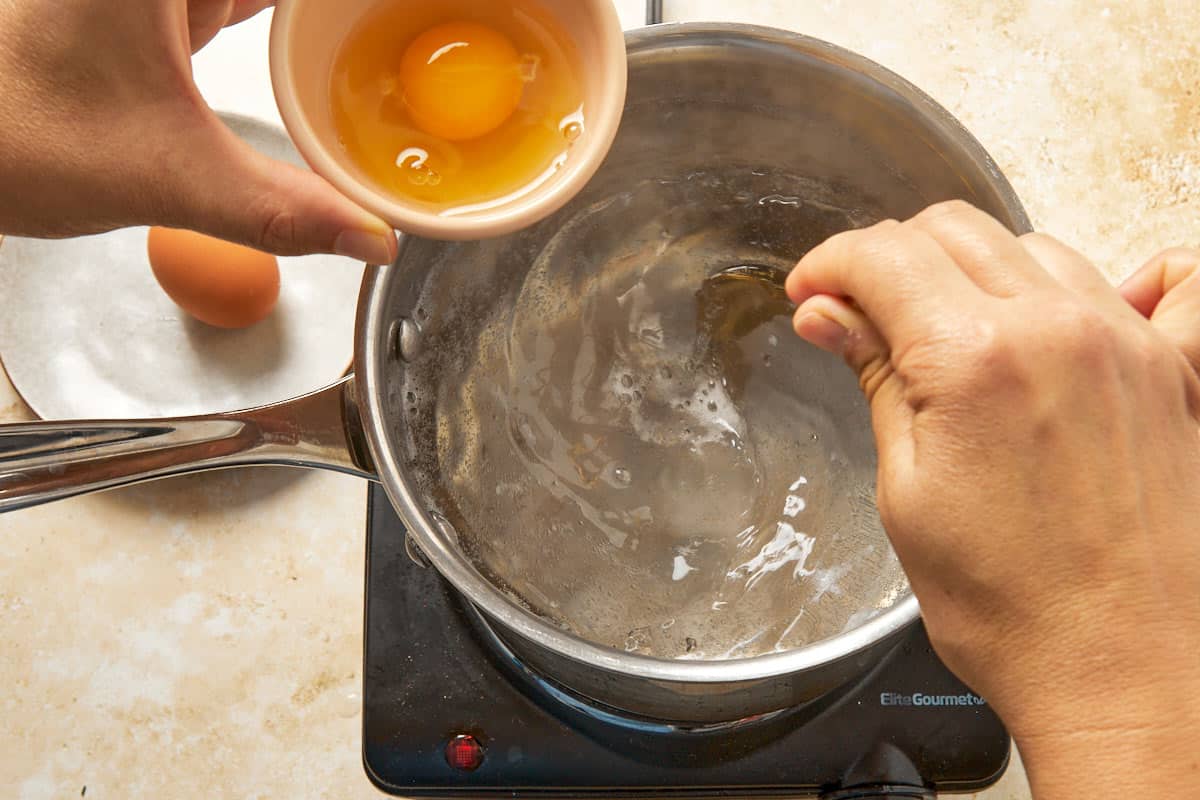
- Poach the Eggs . Bring a pot of water to a gentle simmer (not a rolling boil) add a splash of vinegar. Crack each egg into a ramekin. Create a little whirlpool in the pot with a spoon and gently slide the first egg in. Poach for 3–4 minutes, then remove with a slotted spoon.
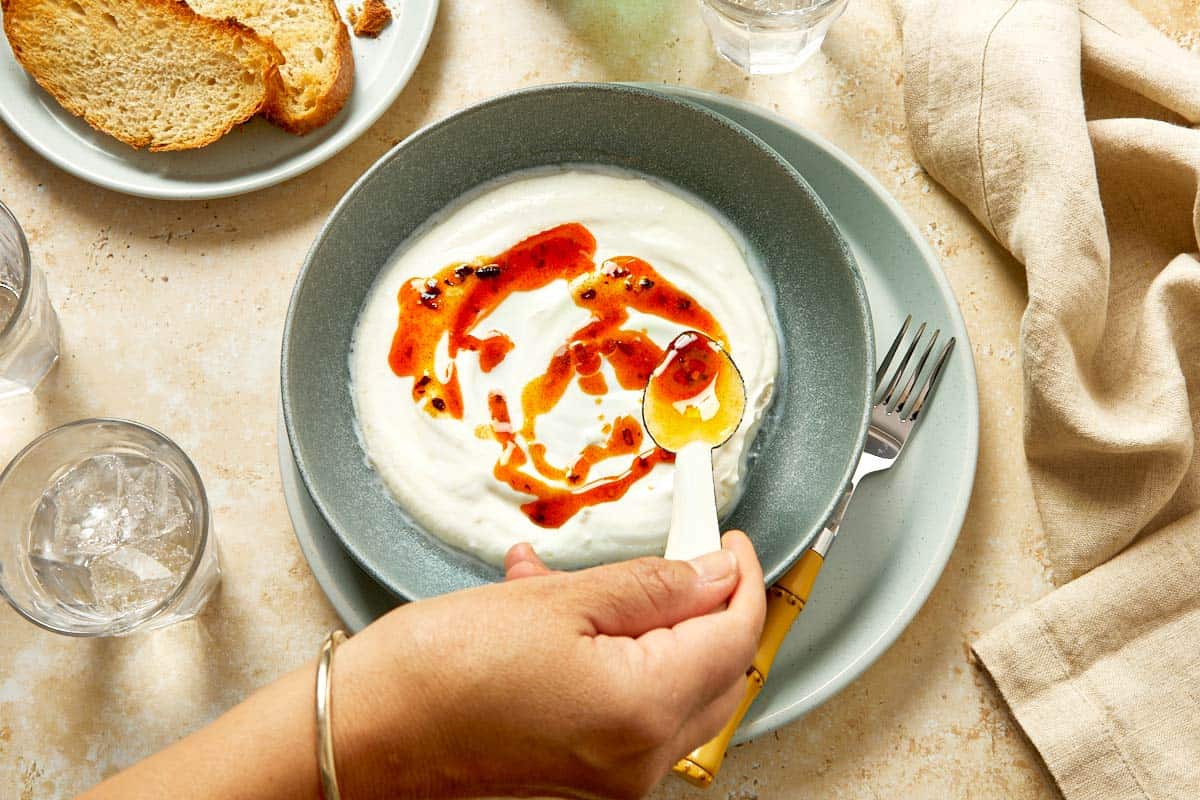
- Build Your Bowl . Grab a plate or shallow bowl and spread the yogurt in the dish. Drizzle half the chili butter you have over it. This will become the base of the dish
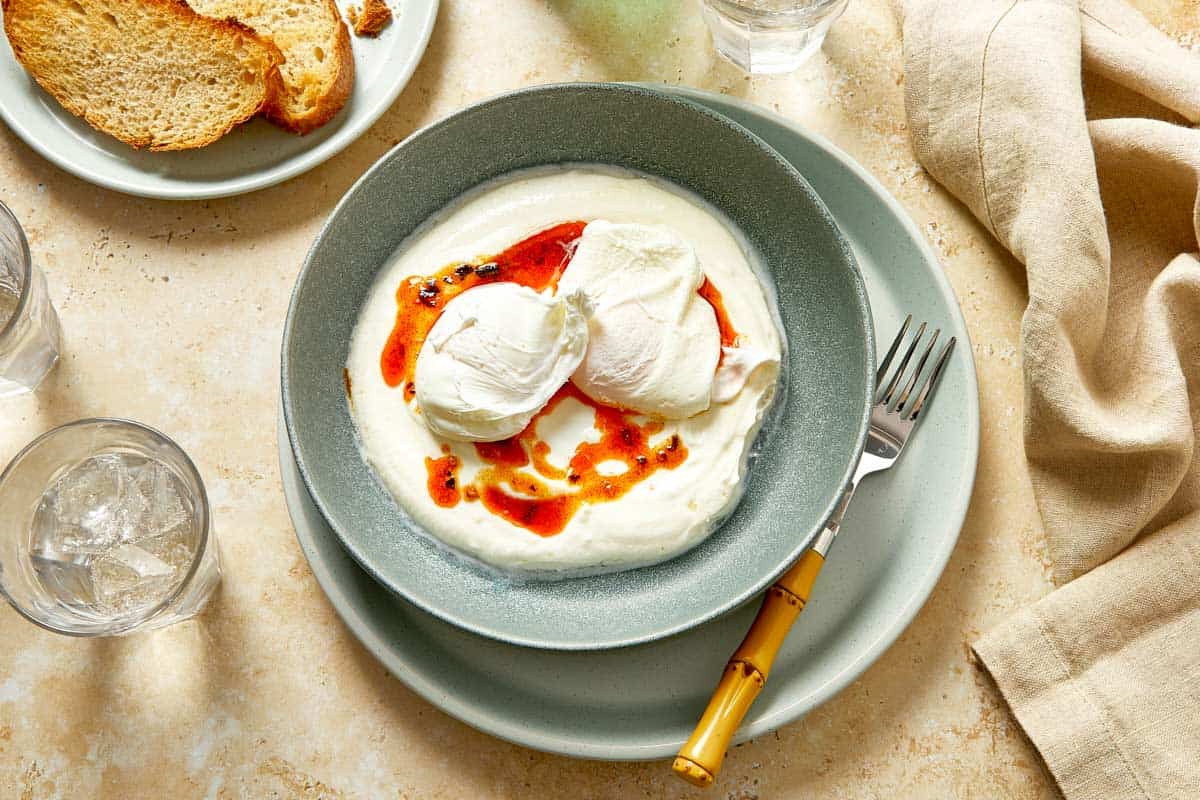
- Add the Eggs . Place the poached eggs gently on top of the yogurt being careful not to pierce them.

- Finish with Butter & Herbs . Drizzle chili butter over the eggs, sprinkle with chopped fresh parsley. Salt and pepper to taste.
Chef’s Tip: Want those eggs to look extra cute on the plate? Just snip off any wispy whites before serving no one has to know.
Turkish Eggs are rich and satisfying on their own, but they also work really well as part of a larger breakfast or brunch spread. The key is pairing them with dishes that balance the yogurt and eggs instead of competing with them.
If you’re serving this for brunch, something baked and slightly sweet on the table works surprisingly well. A dish like Croissant French Toast Bake adds contrast and makes the spread feel more complete, especially when serving guests who want options beyond eggs.
For a lighter pairing, Caprese Crostini with Grilled Avocado works beautifully alongside Turkish Eggs . The fresh flavors and crisp texture complement the creamy yogurt and soft eggs without overwhelming the plate. It’s a great option if you’re building a brunch that feels balanced rather than heavy.
No matter how you serve them, Turkish Eggs are best enjoyed with good bread and a few thoughtful sides. They fit easily into a brunch table and tend to be the dish people ask about the most once they try them.
You can, but the texture will be different. Regular yogurt is thinner and tends to turn watery once the hot eggs and butter are added. Greek yogurt, especially full-fat, stays thick and creamy and holds the eggs properly. That’s why it works best for Turkish Eggs. If regular yogurt is all you have, strain it for 20 to 30 minutes to remove excess liquid. For consistent results, Greek yogurt is still the better choice.
Not really. Poached eggs are best served fresh, and the yogurt is meant to be assembled just before serving. You can prepare the yogurt base ahead of time and keep it refrigerated, then poach the eggs and assemble the dish right before eating for the best texture.
No. Turkish Eggs are not meant to be spicy. The butter is infused with paprika or mild chili flakes, which adds warmth and flavor, not heat. If you prefer no spice at all, you can use sweet paprika and keep the dish completely mild.


Get afreeeBook!
IngredientsUSMetric1x2x3x
- ▢ 1/2 cup plain Greek yogurt
- ▢ 1 clove garlic finely minced or crushed
- ▢ 1 tsp olive oil
- ▢ 3 1/2 tbsp unsalted butter
- ▢ ¼ tsp sweet paprika or smoke paprika
- ▢ 1 pinch red chili flakes adjust to taste
- ▢ 2 large fresh eggs
- ▢ 2 tbsp white vinegar for poaching
- ▢ 2 tbsp Fresh parsley finely chopped (for garnish)
- ▢ a pinch salt to taste
- ▢ a pinch cracked pepper to taste
Instructions
- In a small bowl, mix the yogurt, crushed garlic, and olive oil until smooth. Spread it onto your serving plate to create a creamy bed for the eggs. Set aside.
- Melt the butter in a small frying pan over low to medium heat. Add the paprika and chili flakes, stirring occasionally, until the butter turns golden and fragrant. Keep an eye on it — it can burn quickly. Set aside for later.
- Bring a medium pot of water (2–3 inches deep) to a gentle simmer and add the vinegar. Crack each egg into a small bowl or ramekin. Stir the water gently to create a vortex, then slide in one egg at a time. Poach for 3–4 minutes, until the whites are set but the yolks remain soft. Remove with a slotted spoon and drain. Tip: for a clean look, trim any wispy whites before serving.
- Place the poached eggs on top of the yogurt. Drizzle with the reserved chili butter, sprinkle with fresh parsley, and season with salt and pepper to taste.
- Serve! Turkish eggs are best enjoyed warm with bread on the side for dipping.
Notes
Nutrition
Nutrition information is automatically calculated, so should only be used as an approximation.

Turkish Eggs (Cilbir)
Ingredients
- 1/2 cup plain Greek yogurt
- 1 clove garlic finely minced or crushed
- 1 tsp olive oil
- 3 1/2 tbsp unsalted butter
- ¼ tsp sweet paprika or smoke paprika
- 1 pinch red chili flakes adjust to taste
- 2 large fresh eggs
- 2 tbsp white vinegar for poaching
- 2 tbsp Fresh parsley finely chopped (for garnish)
- a pinch salt to taste
- a pinch cracked pepper to taste
Instructions
- In a small bowl, mix the yogurt, crushed garlic, and olive oil until smooth. Spread it onto your serving plate to create a creamy bed for the eggs. Set aside.
- Melt the butter in a small frying pan over low to medium heat. Add the paprika and chili flakes, stirring occasionally, until the butter turns golden and fragrant. Keep an eye on it — it can burn quickly. Set aside for later.
- Bring a medium pot of water (2–3 inches deep) to a gentle simmer and add the vinegar. Crack each egg into a small bowl or ramekin. Stir the water gently to create a vortex, then slide in one egg at a time. Poach for 3–4 minutes, until the whites are set but the yolks remain soft. Remove with a slotted spoon and drain. Tip: for a clean look, trim any wispy whites before serving.
- Place the poached eggs on top of the yogurt. Drizzle with the reserved chili butter, sprinkle with fresh parsley, and season with salt and pepper to taste.
- Serve! Turkish eggs are best enjoyed warm with bread on the side for dipping.
Notes
Nutrition
Thank You! https://cafedelites.com/turkish-eggs-cilbir/
